
 Español
  pусский
  Français
  Português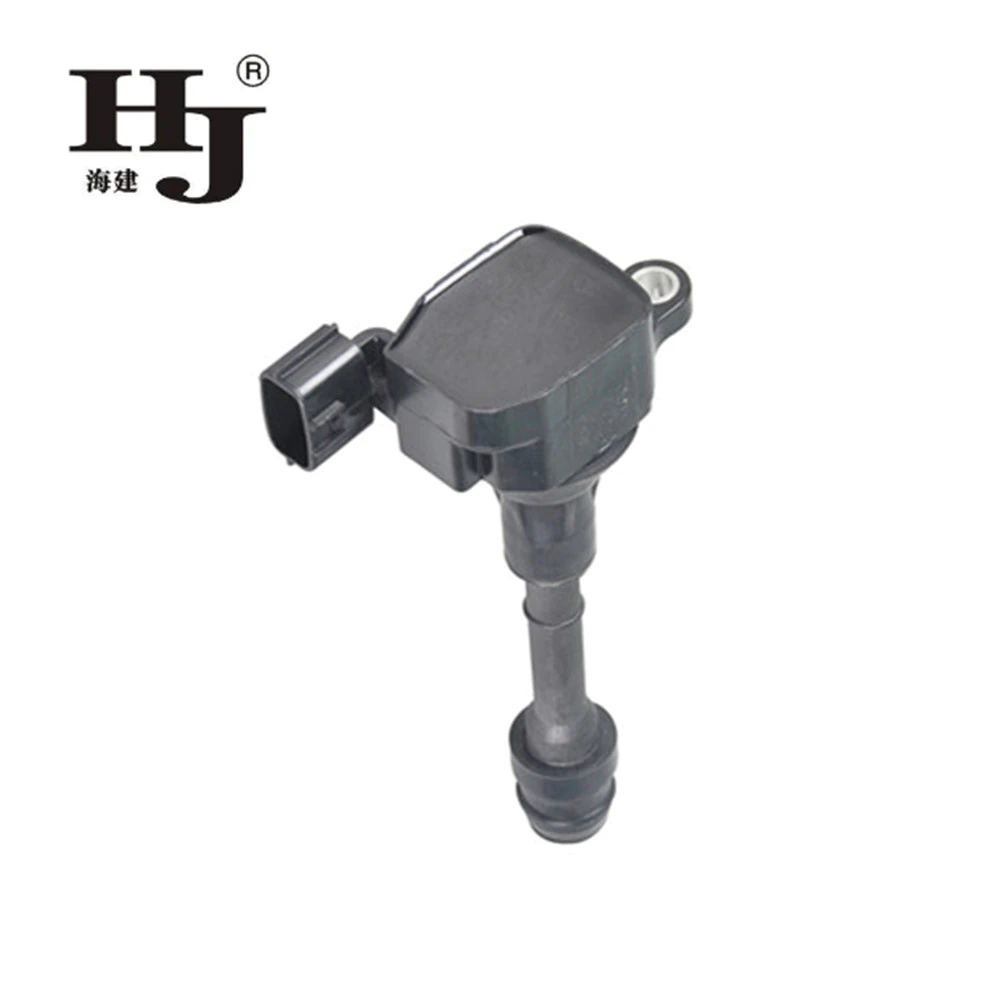


Better Touch Better Business
Contact Sales at Haiyan.
Ignition Coil Development: Historical Milestones and Innovations
Introduction:
Since the inception of the internal combustion engine, the ignition coil has remained a fundamental component crucial for engine performance and efficiency. This article delves into the historical milestones and innovations that shaped the development of the ignition coil over the years. From its humble beginnings to the cutting-edge technologies of today, the ignition coil has continuously evolved to meet the ever-increasing demands of automotive engineering.
Early Ignition Systems: The Origins
1. The Invention of Spark Plugs: Pioneering the Ignition Process
In the late 19th century, the invention of spark plugs paved the way for the development of ignition coils. Nikola Tesla’s high-voltage ignition system, introduced in 1898, significantly improved engine performance by producing a reliable spark across the spark plug gap. Tesla's system laid the foundation for future ignition coil designs by providing an efficient means of generating the required high voltage.
2. Trembler Coils: A Leap Forward in Ignition Technology
One of the earliest ignition coil designs was the trembler coil, also known as the induction coil, developed in the early 20th century. This innovation featured an iron core and a trembling contact breaker, which intermittently interrupted the current flow to generate high voltage sparks. Trembler coils brought a significant improvement over their predecessors, enabling better ignition timing and enhanced engine efficiency.
Evolution of Ignition Coils: Advancements through the Decades
3. Introduction of the Ignition Coil: A Transformational Breakthrough
In 1910, Charles F. Kettering revolutionized the automotive industry by introducing the first true ignition coil. Known as the Kettering coil or the 'Delco' ignition coil, it replaced the traditional trembler coils with a more effective system. Kettering's coil relied on an interrupter switch called the 'points' to create an electric field collapse, resulting in a higher energy spark. This breakthrough laid the foundation for modern ignition systems.
4. Electronic Ignition Systems: The Birth of Solid-State Ignition
The 1970s witnessed a monumental shift in ignition technology with the introduction of electronic ignition systems. These systems eliminated the need for mechanical contact breakers and relied on solid-state components to control the ignition process. By integrating transistors and capacitors, electronic ignition systems offered superior reliability, precise timing, and improved combustion control. The adoption of these systems marked a turning point in ignition coil development.
Redefining Ignition Coils: Innovations in the 21st Century
5. Coil-on-Plug (COP) Ignition Systems: An Evolutionary Leap Forward
The dawn of the 21st century brought forth a new era in ignition coil design with the advent of Coil-on-Plug (COP) systems. Replacing the traditional distributor-based ignition systems, COP systems featured individual coils mounted directly on each spark plug. By eliminating the need for high-tension ignition cables, COP systems reduced energy losses and electromagnetic interference. This innovation resulted in higher energy ignition sparks, improved fuel efficiency, and enhanced engine performance.
6. Smart Ignition Coils: Merging Efficiency and Intelligence
As automobile technology continued to evolve, smart ignition coils emerged as the latest groundbreaking innovation. Smart coils integrate advanced sensing capabilities and intelligent control algorithms to optimize engine performance in real-time. These coils adapt to changing conditions, adjusting ignition timing, and spark energy to meet the engine's demand while reducing emissions and fuel consumption. With their ability to enhance combustion efficiency, smart ignition coils represent a significant advancement in automotive engineering.
Conclusion:
From the humble beginnings of spark plugs to the cutting-edge advancements of smart ignition coils, the development of ignition coils has witnessed several significant milestones throughout history. From the transformative breakthrough by Charles F. Kettering to the latest innovations of the 21st century, each stage of development has contributed to improved engine efficiency, performance, and environmental friendliness. As automotive technology continues to progress, the ignition coil remains a vital component, continuously evolving to meet the evolving demands of the industry.
Copyright © 2019 Haiyan aijian Co.Ltd. | All Rights Reserved
Hello, please leave your name and email here before chat online so that we won't miss your message and contact you smoothly.