
 Español
  pусский
  Français
  Português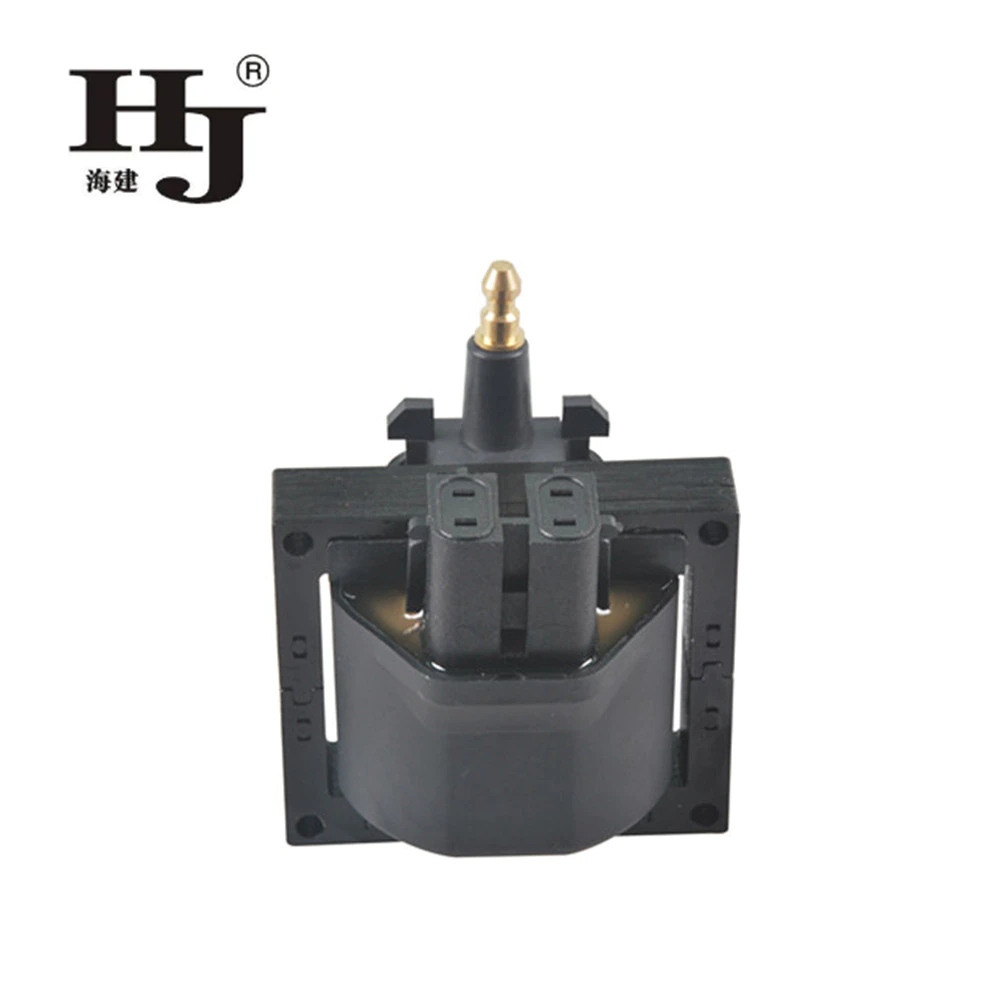

Better Touch Better Business
Contact Sales at Haiyan.
Understanding Car Coil Circuitry: Essential Components
Introduction
Coil circuitry is an integral part of a car's electrical system, playing a crucial role in generating energy for ignition, lighting, and various electronic components. This article dives into the essential components of car coil circuitry, providing a comprehensive understanding of their functions and how they contribute to a vehicle's overall performance.
1. Ignition Coil
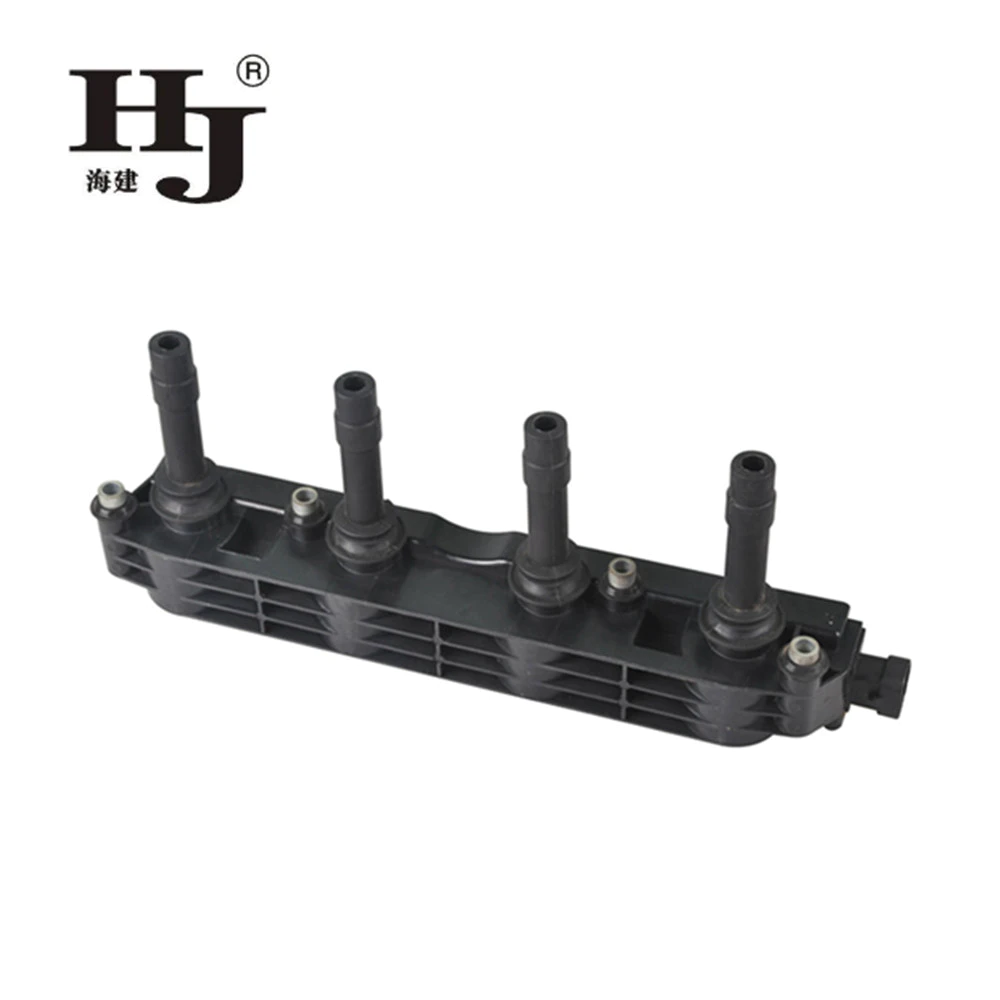
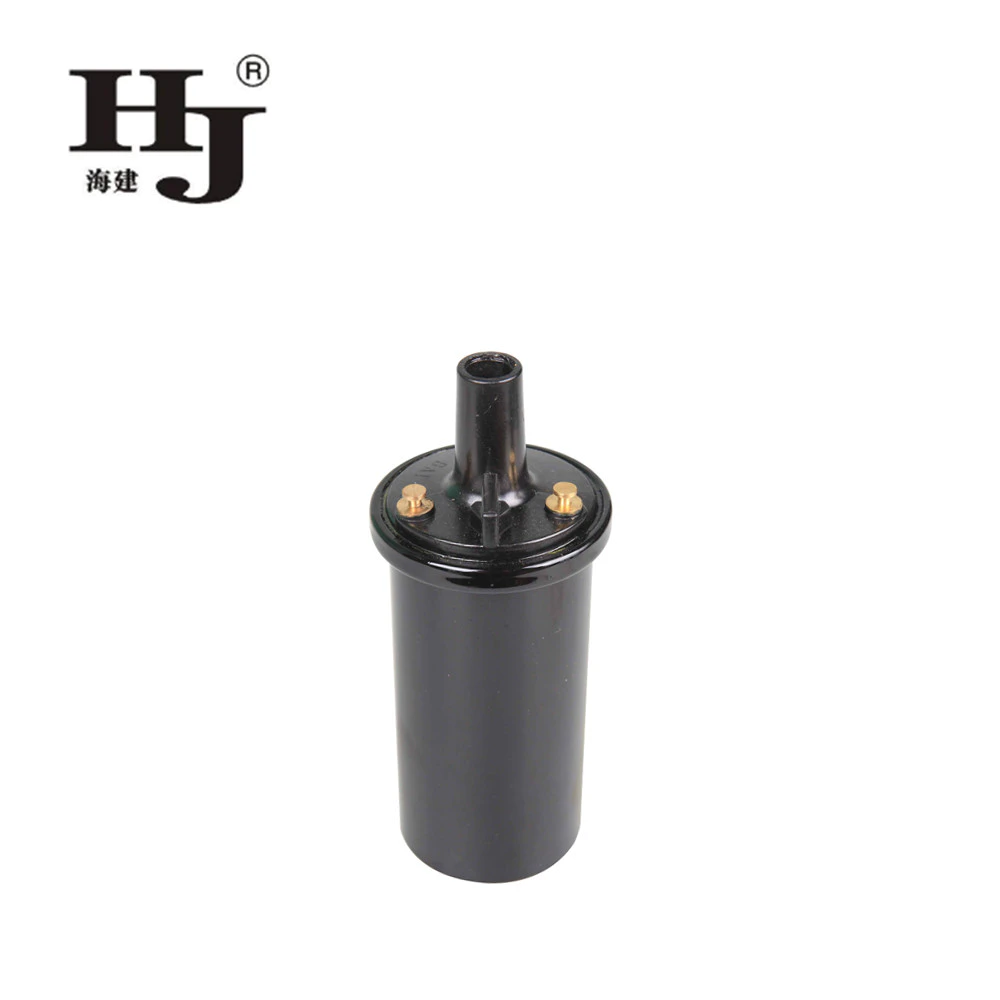
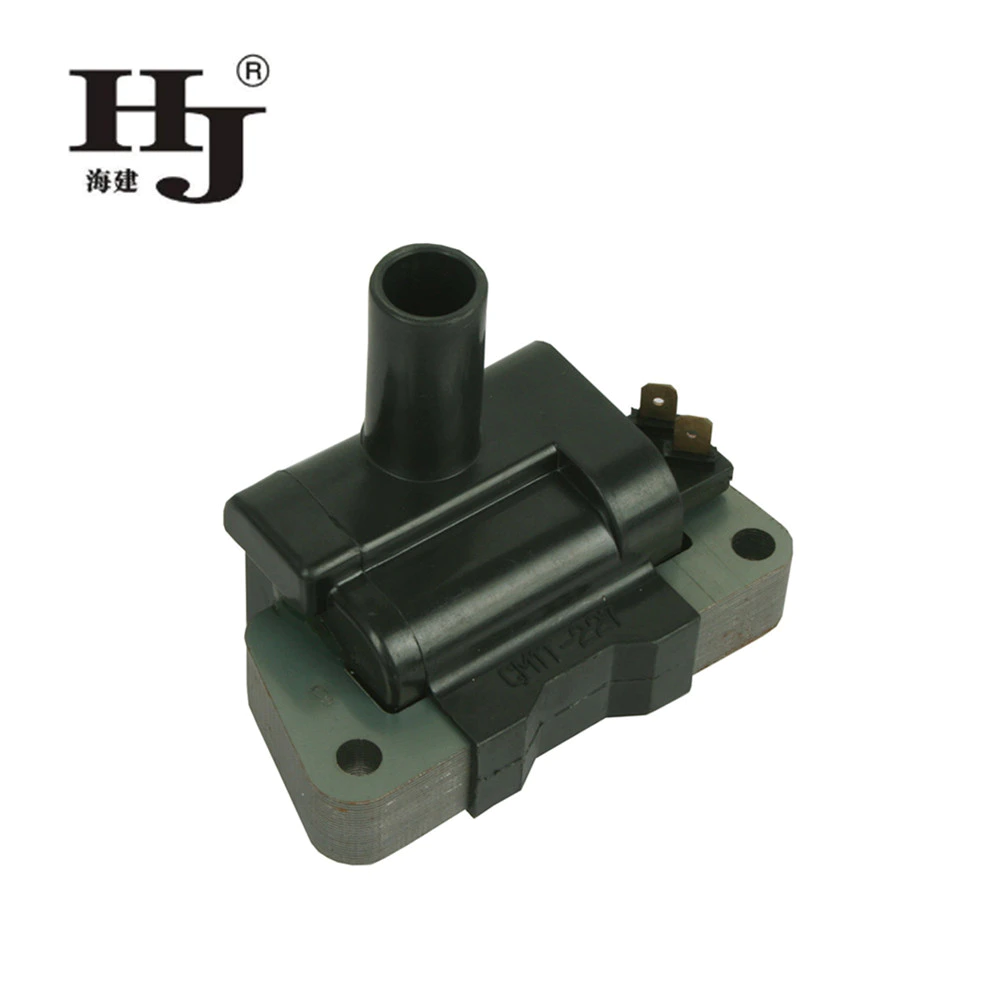
One of the key components of car coil circuitry is the ignition coil. Its primary function is to convert low voltage from the battery into high voltage required for sparking the spark plugs. The ignition coil consists of two coils: the primary coil and the secondary coil. The primary coil is responsible for receiving low voltage electrical signals from the car's battery, while the secondary coil is responsible for stepping up the voltage to a level suitable for ignition.
2. Distributor
In older car models, the distributor played a crucial role in the coil circuitry. Its function was to distribute high-voltage electrical pulses generated by the ignition coil to each of the spark plugs in the engine. However, with modern advancements, many newer vehicles have replaced the distributor with individual coil packs, which directly deliver high-voltage pulses to each spark plug.
3. Spark Plugs
Spark plugs are vital components within the coil circuitry as they play a significant role in igniting the air-fuel mixture in the combustion chamber. When a high-voltage electrical pulse is generated by the ignition coil, it travels through the distributor or coil pack and reaches the spark plug. The spark plug then creates an electric spark capable of igniting the compressed air-fuel mixture, initiating the combustion process within the engine.
4. Capacitor
To ensure a smooth and consistent flow of electrical current within the car's coil circuitry, a capacitor is often utilized. The capacitor acts as a reservoir of electrical energy, storing excess energy during low demand and releasing it during high-demand moments. By maintaining a stable current flow, the capacitor helps prevent voltage spikes and fluctuations that can potentially damage sensitive electrical components.
5. Ignition Control Module
The ignition control module is a crucial component responsible for regulating the timing of the spark plugs' firing. It receives input signals from various sensors within the car's engine and sends corresponding commands to the ignition coil. By accurately controlling the timing of spark plug firing, the ignition control module ensures optimal engine performance, fuel efficiency, and emission control.
6. Wiring
While the individual components of the coil circuitry are essential, it is crucial to have a well-designed and properly insulated wiring system connecting them. Proper wiring ensures efficient transfer of electrical signals between components and minimizes the risk of electrical shorts or damage. High-quality wiring with appropriate gauge sizes and insulation materials is essential for maintaining the reliability and durability of the coil circuitry.
7. Grounding
Effective grounding is crucial within the car's coil circuitry to facilitate the flow of electrical current and minimize electrical interference. Grounding provides a controlled path for the excess electrical charge to dissipate safely and prevents it from damaging sensitive components. It also helps reduce potential electromagnetic interference that can affect the performance of various electronic systems within the vehicle.
8. Maintenance and Troubleshooting
Regular maintenance is vital to ensure the proper functioning of the coil circuitry. Periodically inspecting and cleaning the ignition coil, distributor (if present), and spark plugs can help prevent issues like misfiring or engine stalls. Additionally, if any faults or performance issues arise, it is important to troubleshoot the coil circuitry system thoroughly using proper testing equipment and diagnostic techniques. Addressing any identified problems promptly will help prevent further damage or costly repairs.
Conclusion
Understanding the essential components of car coil circuitry is crucial for both car owners and enthusiasts. The ignition coil, distributor or coil pack, spark plugs, capacitor, and ignition control module form the backbone of this critical electrical system within a vehicle. By maintaining these components and ensuring proper wiring and grounding, car owners can enhance their vehicle's performance, fuel efficiency, and overall reliability. Regular maintenance and prompt troubleshooting play vital roles in ensuring that the coil circuitry operates optimally, providing a smooth driving experience.
Copyright © 2019 Haiyan aijian Co.Ltd. | All Rights Reserved
Hello, please leave your name and email here before chat online so that we won't miss your message and contact you smoothly.