
 Español
  pусский
  Français
  Português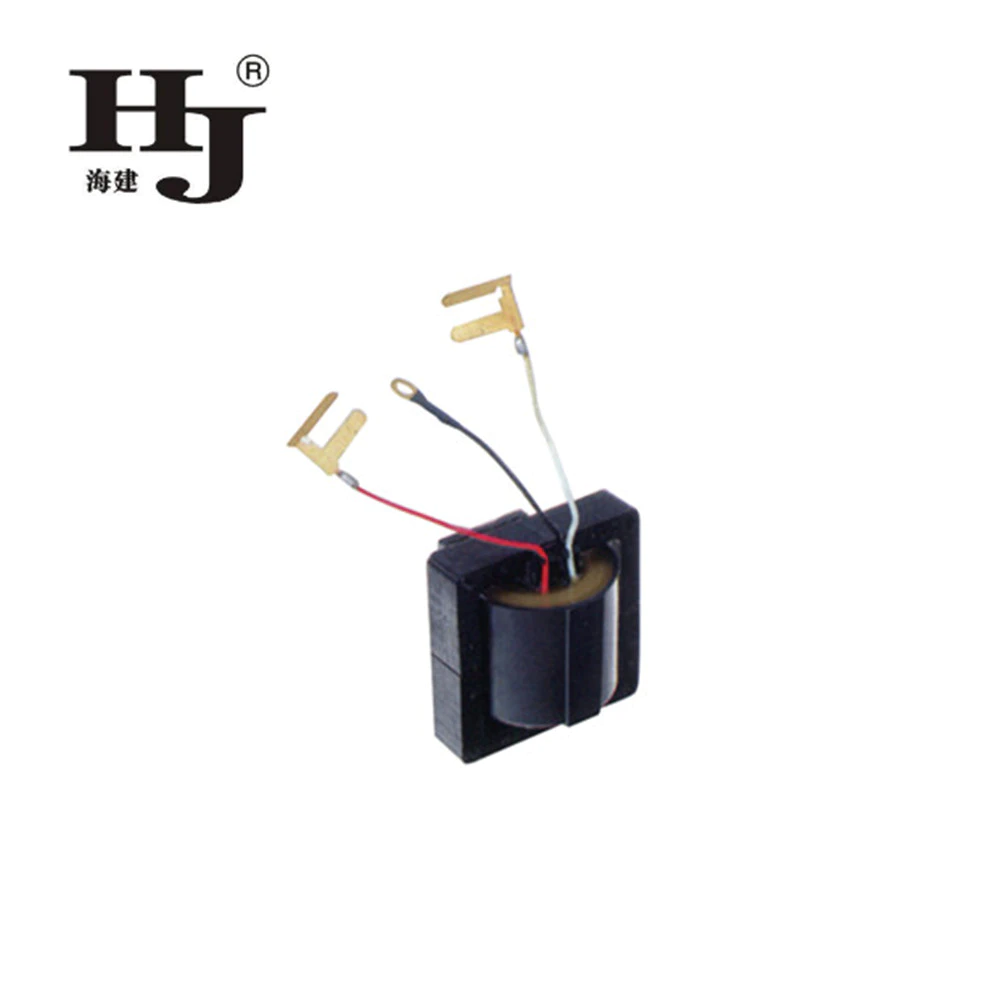

Better Touch Better Business
Contact Sales at Haiyan.
Have you ever wondered how your car's engine starts with just a turn of the key? Well, the answer lies in a vital component called the ignition coil. The ignition coil plays a crucial role in initiating the combustion process that powers your vehicle. Without it, your car would be rendered motionless, as the engine would fail to start. In this article, we will delve into the intricacies of the ignition coil and explore how this small yet powerful component contributes to the smooth functioning of your car's engine.
Understanding the Ignition Coil
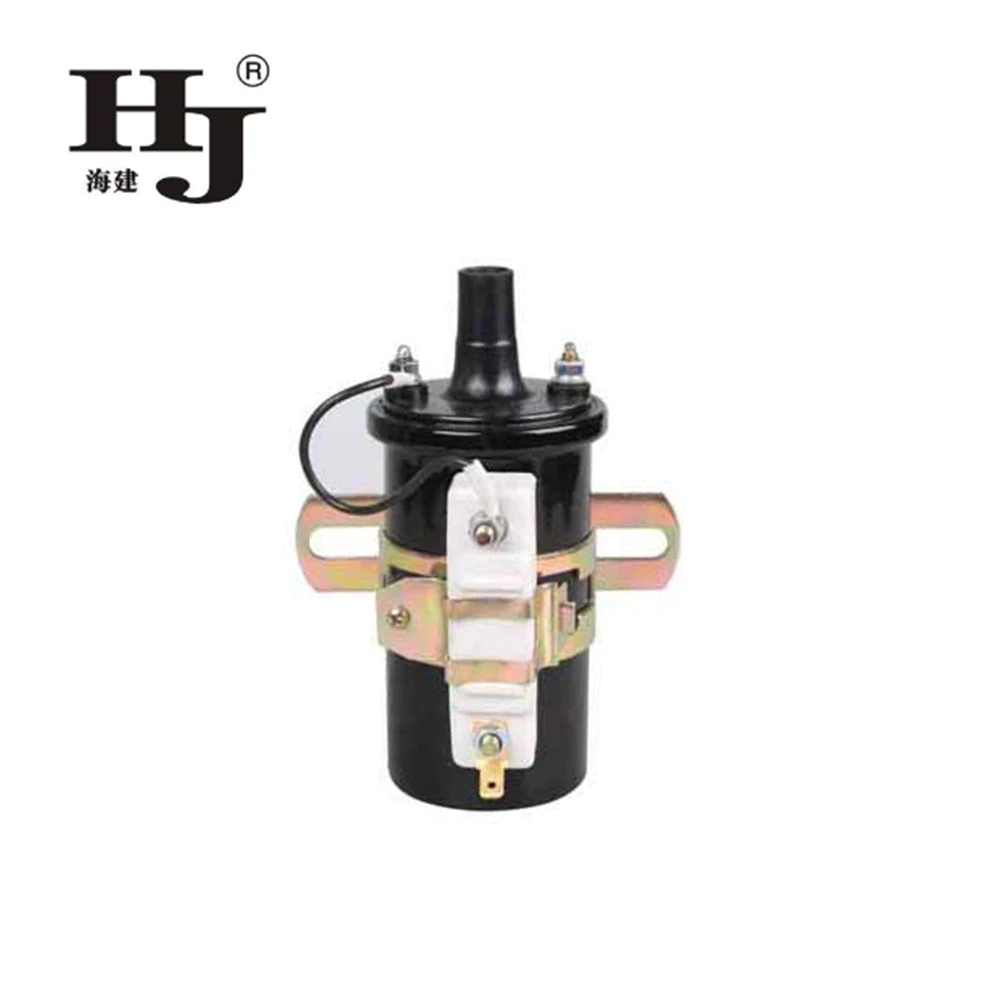
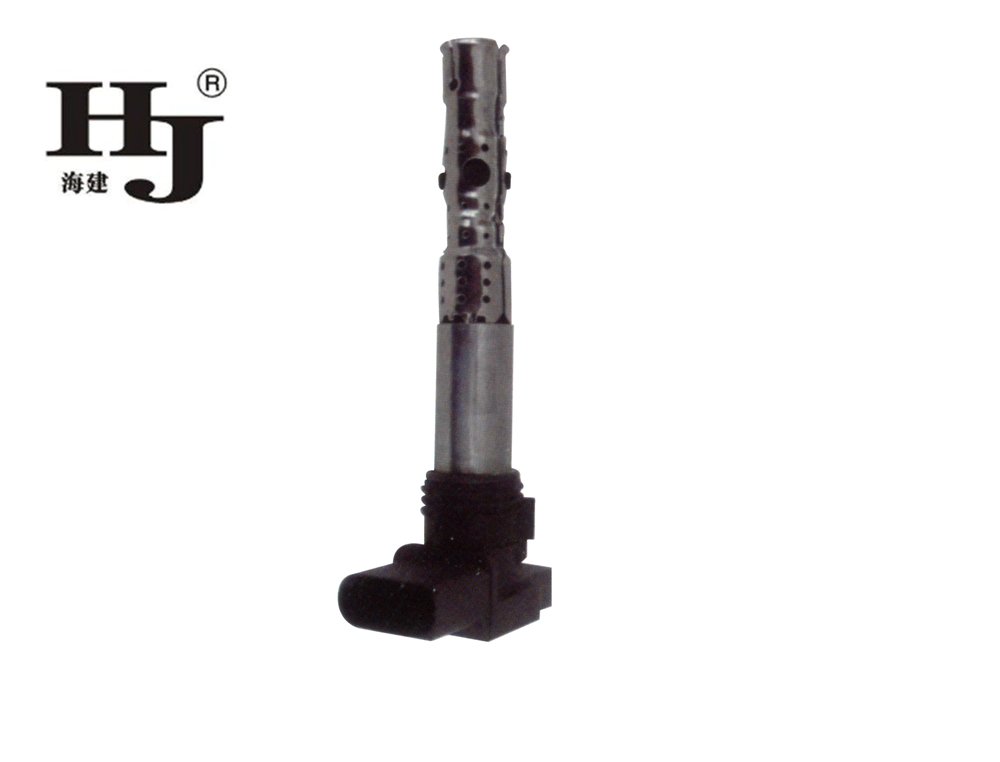
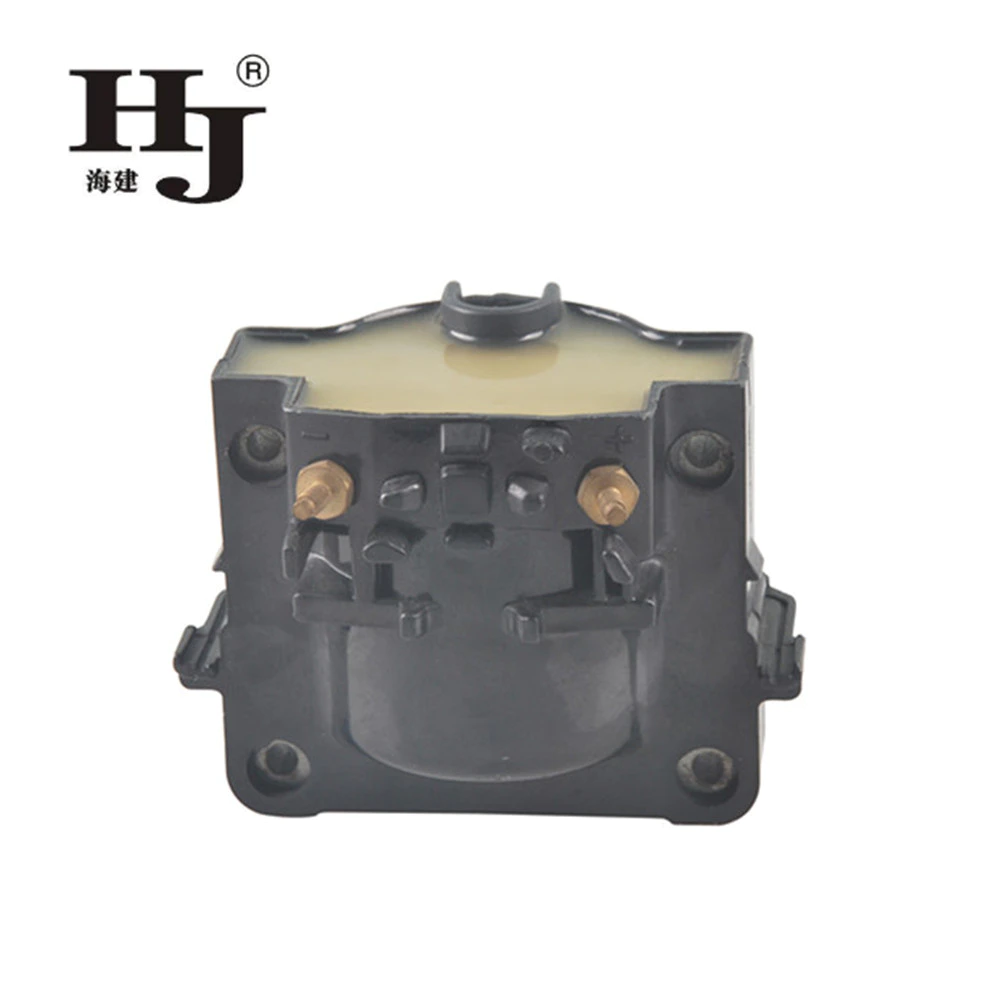
Before we delve into the role of the ignition coil, let's first understand what it is and how it functions. The ignition coil is a key component of the ignition system in a car. Its primary function is to convert the low voltage from the battery into the high voltage required to ignite the fuel-air mixture in the combustion chamber.
The ignition coil consists of two coils of wire, often referred to as windings. The primary winding is made up of fewer turns of thicker wire, whereas the secondary winding has more turns of thinner wire. These windings are wrapped around an iron core, forming an electromagnetic coil. When an electric current flows through the primary winding, it creates a magnetic field in the iron core.
The Basics of the Ignition Process
When you turn the key in the ignition, it initiates a series of events that ultimately lead to the combustion of the fuel in the engine. Let's understand the basic ignition process:
1. Drawing Fuel-Air Mixture: The engine draws in a mixture of fuel and air through the intake valve. The precise ratio of fuel to air is crucial for optimal combustion.
2. Compression Stroke: The piston compresses the fuel-air mixture, resulting in a highly pressurized and volatile mixture.
3. Ignition: At this stage, the ignition coil comes into play. When the ignition switch is turned on, it sends an electric current to the primary winding of the coil, creating a magnetic field. The key component in the ignition coil, known as the distributor, routes the current to the appropriate cylinder.
4. High Voltage Generation: As the magnetic field builds up in the ignition coil, so does the potential energy. When the magnetic field collapses, it induces a high voltage in the secondary winding of the coil, thanks to the difference in the number of turns between the two windings.
5. Spark Generation: The high voltage produced by the ignition coil is then transferred to the distributor cap through a high-tension cable. The distributor cap directs the charge to a specific spark plug, which in turn generates a spark.
6. Combustion: The spark ignites the highly pressurized fuel-air mixture, resulting in an explosion within the combustion chamber. This explosion generates power that drives the piston downward, initiating the power stroke.
The Significance of the Ignition Coil
Now that we have a basic understanding of the ignition process, let's explore the significance of the ignition coil in the overall functioning of your car's engine.
1. Voltage Amplification: The primary function of the ignition coil is to amplify the voltage from the battery. The battery typically provides a low voltage of around 12 volts, which is insufficient to ignite the fuel-air mixture. The ignition coil boosts this voltage to several thousand volts, ensuring a potent spark that can ignite the mixture effectively.
It's essential to maintain the functionality of the ignition coil to ensure optimal voltage amplification. Over time, the insulation in the coil may degrade, leading to an inefficient voltage transfer. Regular maintenance and timely replacement of faulty ignition coils are crucial to maintaining smooth engine performance.
2. Timely Spark Generation: The ignition coil also plays a crucial role in generating a spark at the precise moment required for combustion. The timing of the spark is critical for optimal engine performance. If the spark occurs too early or too late, it can lead to decreased power, increased emissions, and poor fuel efficiency.
Modern ignition systems employ advanced sensors and control modules to ensure precise spark timing. These systems constantly monitor various engine parameters and adjust the ignition timing accordingly. However, the ignition coil remains at the heart of this process, providing the high voltage required for timely spark generation.
3. Reliability and Durability: The ignition coil is designed to withstand high voltages and temperatures, ensuring durability and reliability. However, like any other component, it is subject to wear and tear over time. High temperatures and exposure to harsh environmental conditions can lead to insulation breakdown or internal coil failure.
Regular inspection and maintenance can help identify early signs of ignition coil failure. Common symptoms include misfires, rough idling, difficulty starting the engine, and decreased fuel efficiency. Timely replacement of faulty ignition coils can prevent further damage to the engine and ensure continued reliable performance.
4. Engine Performance: The ignition coil directly influences engine performance by providing the high voltage required for combustion. A healthy ignition coil ensures a strong and consistent spark, resulting in optimal fuel combustion and power generation.
On the other hand, a faulty ignition coil can cause a weak or intermittent spark, leading to misfires, power loss, and reduced fuel efficiency. Ignoring ignition coil issues can also put additional stress on other engine components and result in costly repairs.
5. Fuel Efficiency and Emissions: The ignition coil's role in generating a strong and consistent spark contributes to improved fuel combustion and efficiency. Efficient combustion translates to better utilization of fuel, reducing wastage and improving miles per gallon (MPG).
Furthermore, optimal combustion also minimizes the production of harmful emissions. A weak spark can cause incomplete combustion, leading to increased emissions of hydrocarbons (HC) and nitrogen oxides (NOx). Therefore, maintaining a healthy ignition coil not only enhances fuel efficiency but also helps in reducing the environmental impact of your vehicle.
To summarize, the ignition coil serves as the backbone of the ignition system, ensuring reliable engine performance, optimal fuel combustion, and efficient power generation. Regular inspection, maintenance, and timely replacement of faulty ignition coils are key to maximizing the lifespan of this critical component and keeping your car's engine running smoothly.
In conclusion, the ignition coil is a vital component that enables the smooth starting and functioning of your car's engine. Its ability to amplify voltage, generate a timely spark, and contribute to engine performance, fuel efficiency, and emissions control make it an indispensable part of the entire ignition system. Understanding the role of the ignition coil empowers car owners to recognize the importance of regular maintenance and prompt replacement when necessary. So, the next time you turn that key and your engine roars to life effortlessly, remember to credit the humble yet powerful ignition coil for its indispensable role.
Copyright © 2019 Haiyan aijian Co.Ltd. | All Rights Reserved
Hello, please leave your name and email here before chat online so that we won't miss your message and contact you smoothly.